Petra Jenkins · 7 October 2026
Navigating API Integrations That Extend Functionality in Niche Drafting Applications for Distributed Teams
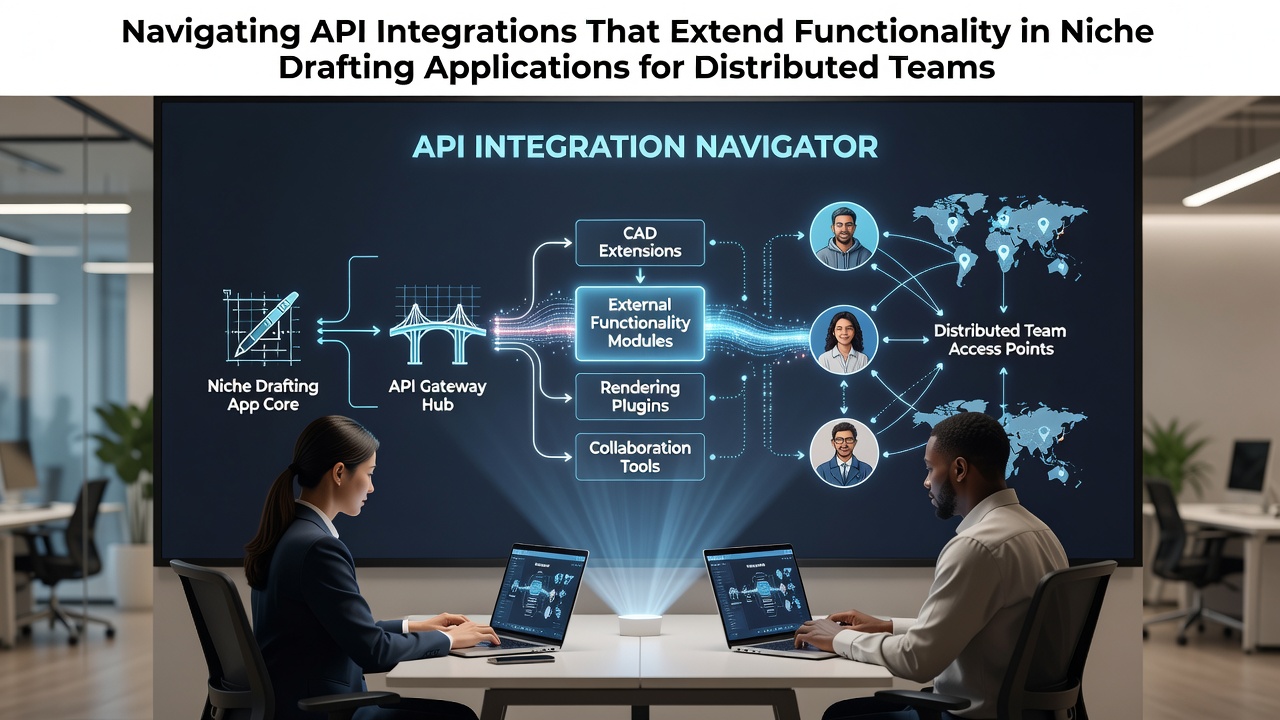
Specialized drafting platforms serve engineering and architectural teams who operate across multiple locations, and these tools gain expanded capabilities when developers connect them through application programming interfaces that link to external services such as cloud storage systems, project management suites, and real-time communication channels. Teams working in fields like mechanical component design or infrastructure planning rely on these connections to maintain version accuracy while sharing files across time zones, and the process requires careful attention to data mapping protocols that prevent format conflicts during transfers.
Core Components of API Connections in Drafting Environments
Developers typically begin by identifying endpoints that allow drafting applications to pull metadata from external databases, while authentication layers using OAuth 2.0 or API keys secure access and limit permissions to authorized users only. Data flows in both directions when teams configure webhooks that trigger updates in connected tools whenever a drawing revision occurs, and this setup supports distributed groups that need immediate visibility into changes without manual file uploads. Observers note that middleware layers often sit between the drafting software and third-party services to handle translation of proprietary file formats into standardized structures like JSON or XML.
Common integrations involve linking to version control repositories where code and design files coexist, or connecting to analytics platforms that track usage metrics across project milestones. Those who manage such setups report that rate limiting and error logging become essential when multiple team members trigger simultaneous calls during peak collaboration hours, and testing environments replicate production conditions to catch synchronization issues before deployment.
Addressing Compatibility and Security in Multi-Location Workflows
Distributed teams encounter challenges when API responses vary across regions due to latency or regional data residency rules, and solutions include implementing retry mechanisms with exponential backoff alongside local caching that maintains access during temporary outages. Security protocols require encryption of all transmitted data and regular audits of token expiration policies, while compliance frameworks from organizations like the National Institute of Standards and Technology outline practices for handling sensitive design specifications. NIST guidelines on API security provide reference points for teams establishing these connections in regulated industries.
One case involved an engineering group that integrated their drafting tool with a European Union-based compliance database to automate regulatory checks on material specifications, and the setup reduced manual verification steps while maintaining audit trails for each data exchange. Researchers at academic institutions have examined similar configurations and found that monitoring tools help detect anomalies in API traffic that could indicate unauthorized access attempts.
Implementation Steps for Scalable Connections
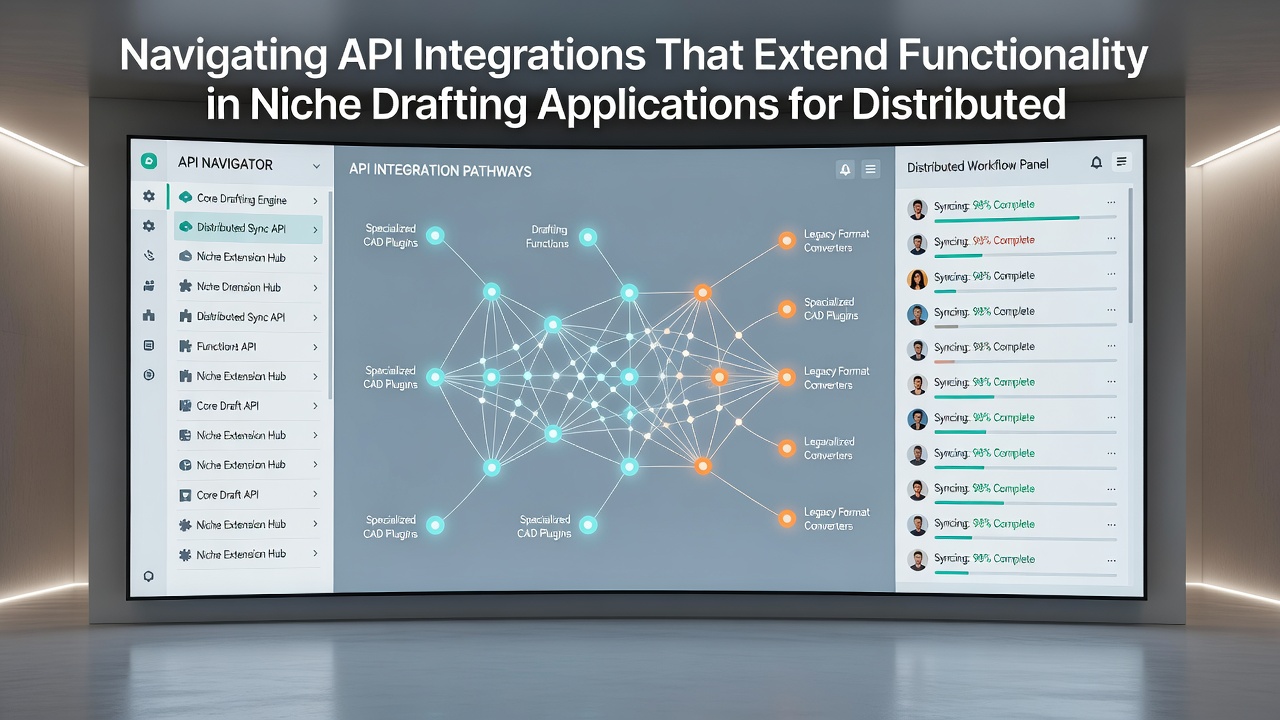
Teams start the rollout by documenting all required data fields and mapping them to the target service schemas, then they proceed to sandbox testing that simulates concurrent access from multiple geographic sites. Documentation from industry bodies such as the IEEE Standards Association details best practices for documenting API contracts and maintaining backward compatibility during updates. IEEE resources on software integration standards offer frameworks that help prevent breaking changes when applications evolve.
Automation scripts handle routine tasks like bulk imports of legacy drawings into new systems, and logging mechanisms capture performance metrics that reveal bottlenecks in the integration pipeline. As of October 2026, several platforms have introduced support for GraphQL alongside traditional REST endpoints, allowing more precise queries that reduce unnecessary data transfer volumes for teams managing large assemblies.
Monitoring and Maintenance Practices
Ongoing oversight involves dashboards that track response times and error rates, and alerts notify administrators when thresholds are exceeded during high-volume periods. Teams schedule periodic reviews of connected services to confirm that deprecated endpoints receive updates before service providers retire older versions. This approach keeps distributed workflows uninterrupted while new features roll out across the connected ecosystem.
Conclusion
Effective navigation of these integrations depends on structured planning that accounts for data formats, security requirements, and regional differences in team operations. Organizations that establish clear protocols for testing and monitoring maintain reliable connections that support continuous collaboration in specialized drafting environments.